
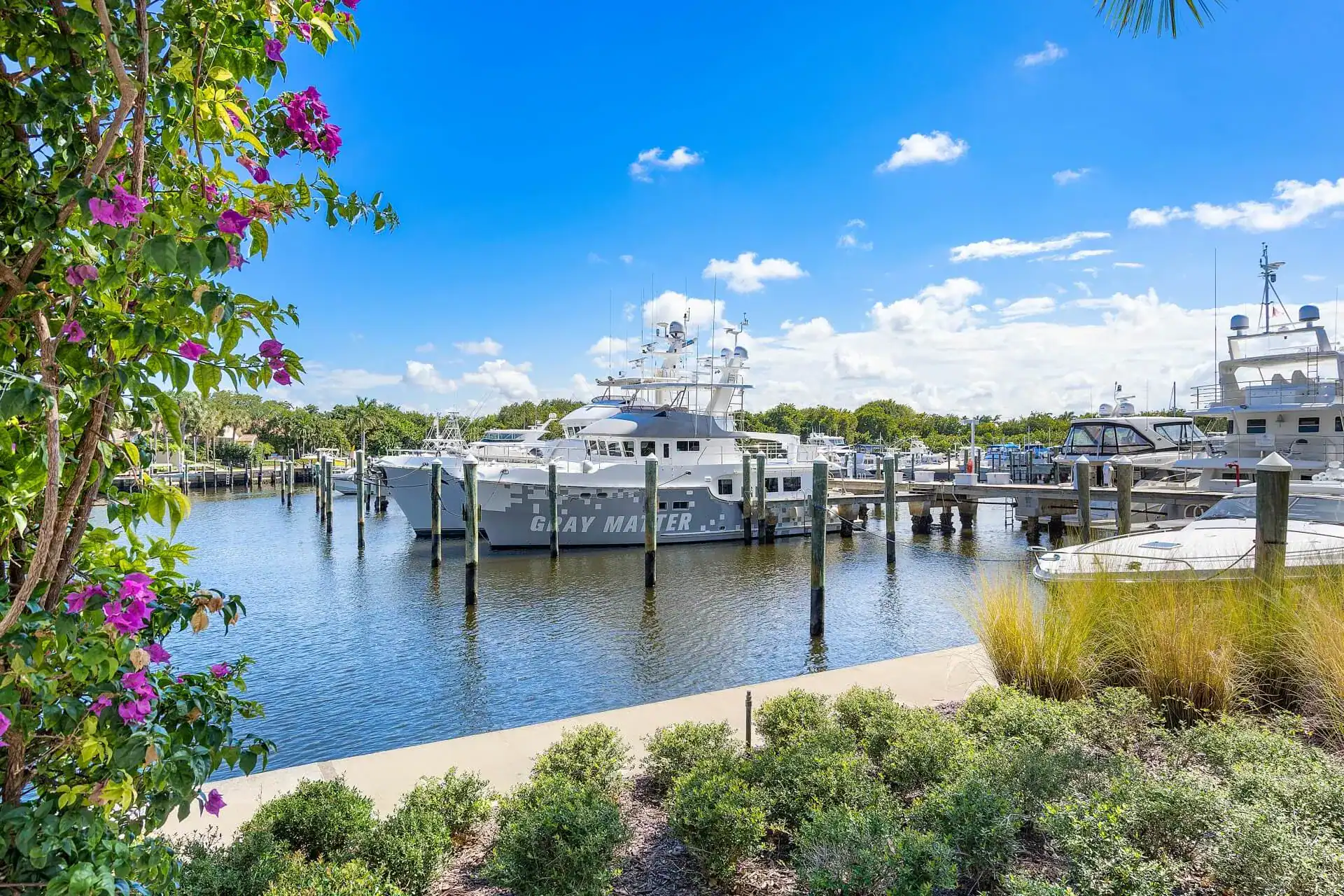
We have reached the end of summer here in Palm Beach County. Kids went back to school, and neighbors are starting to return from their traveling adventures. As we reviewed the July market statistics coming in, a pretty clear story is developing across Palm Beach County. Fewer homes are for sale, buyers are still buying, and prices are holding strong -- and in many areas, continuing to rise.
That doesn’t mean we’re back to the crazy market of a few years ago. Buyers are still thoughtful about what they’re willing to pay, and an overpriced home can absolutely sit. But the balance has started shifting again, particularly for single family homes.
The biggest change is inventory. Across North Palm Beach County, the number of single family homes for sale was down 28.1% compared with last July. Condo and townhouse inventory was down 27.4%. At the same time, fewer new listings are coming onto the market. That’s a big change from the conversation we were having when inventory was building 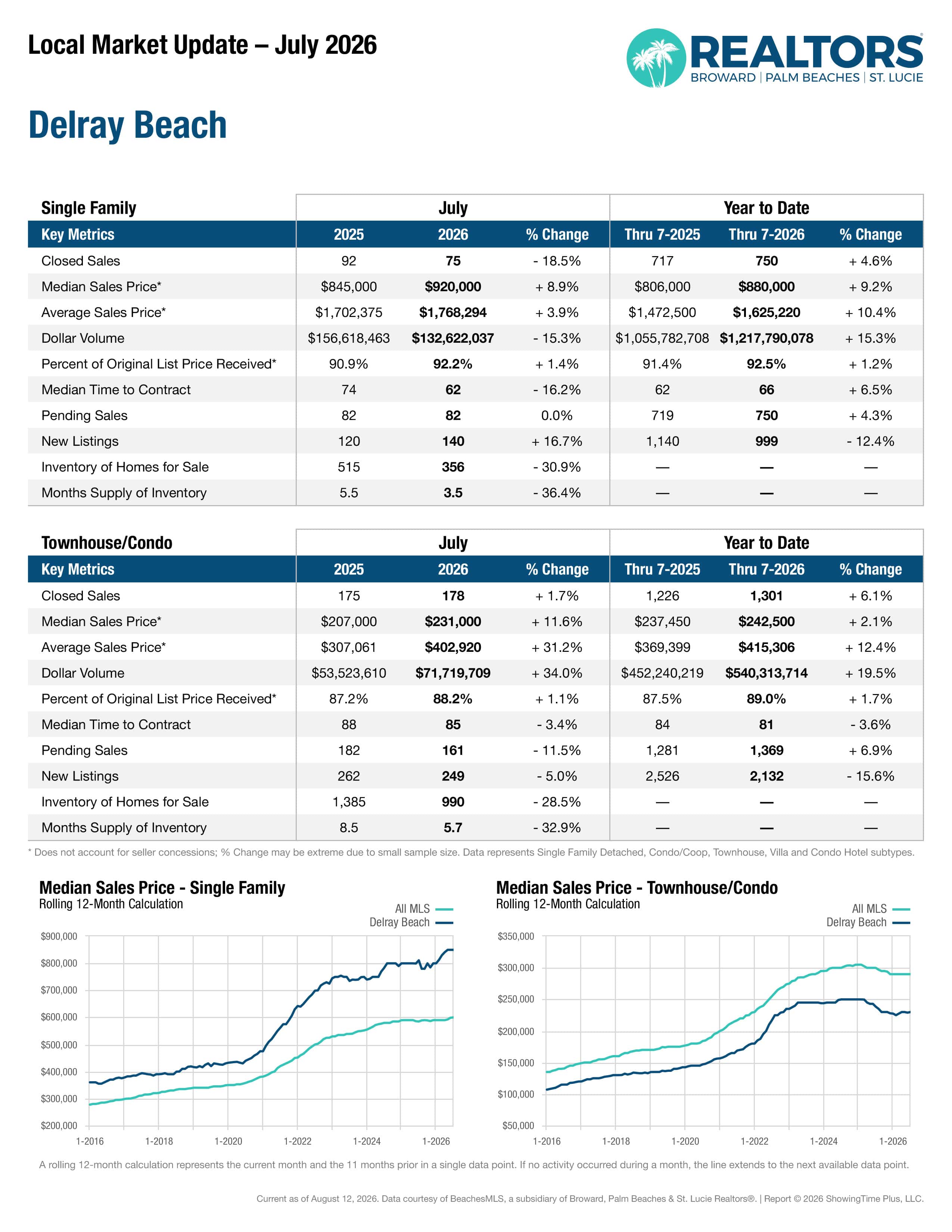 and buyers suddenly had more choices.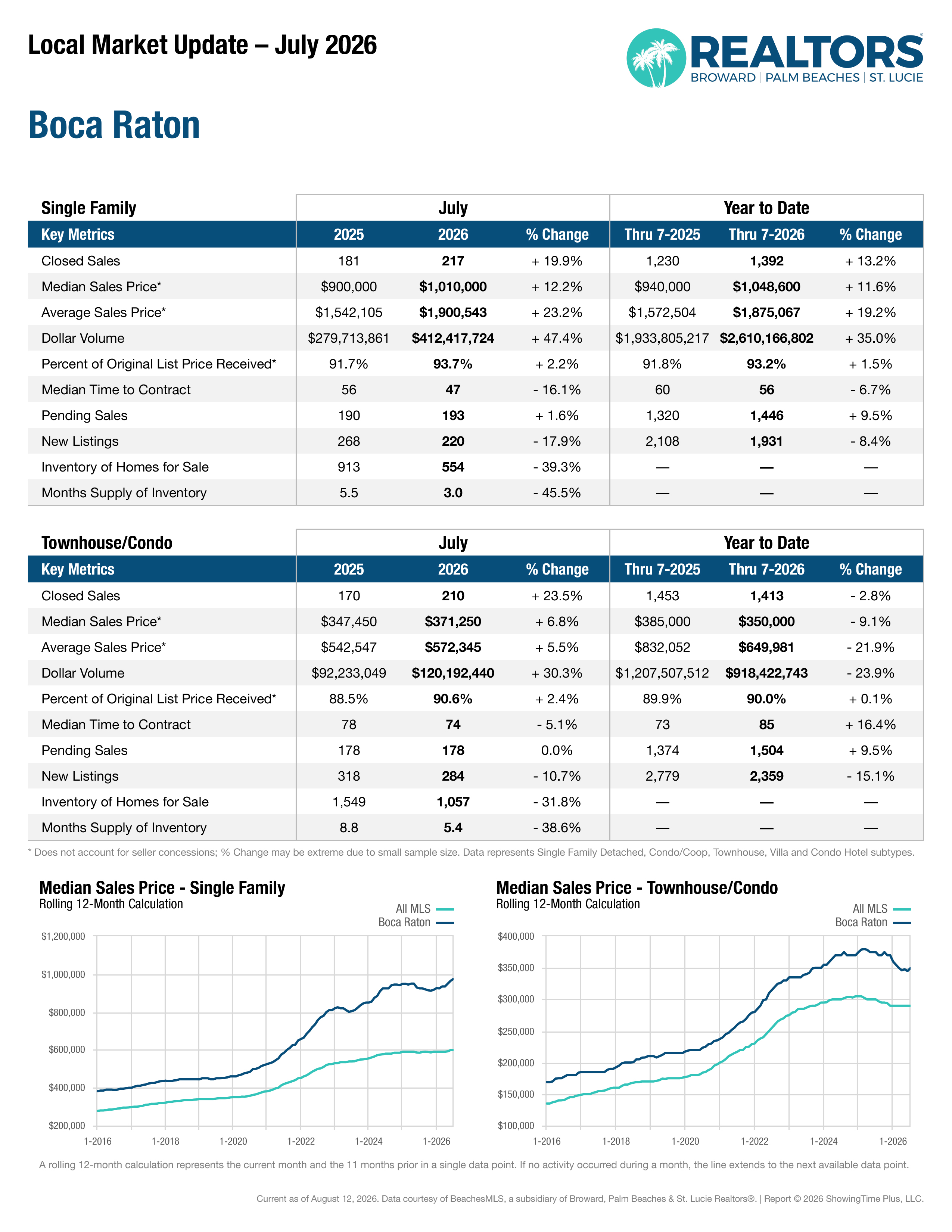
We can see it even more clearly when we look at individual cities:
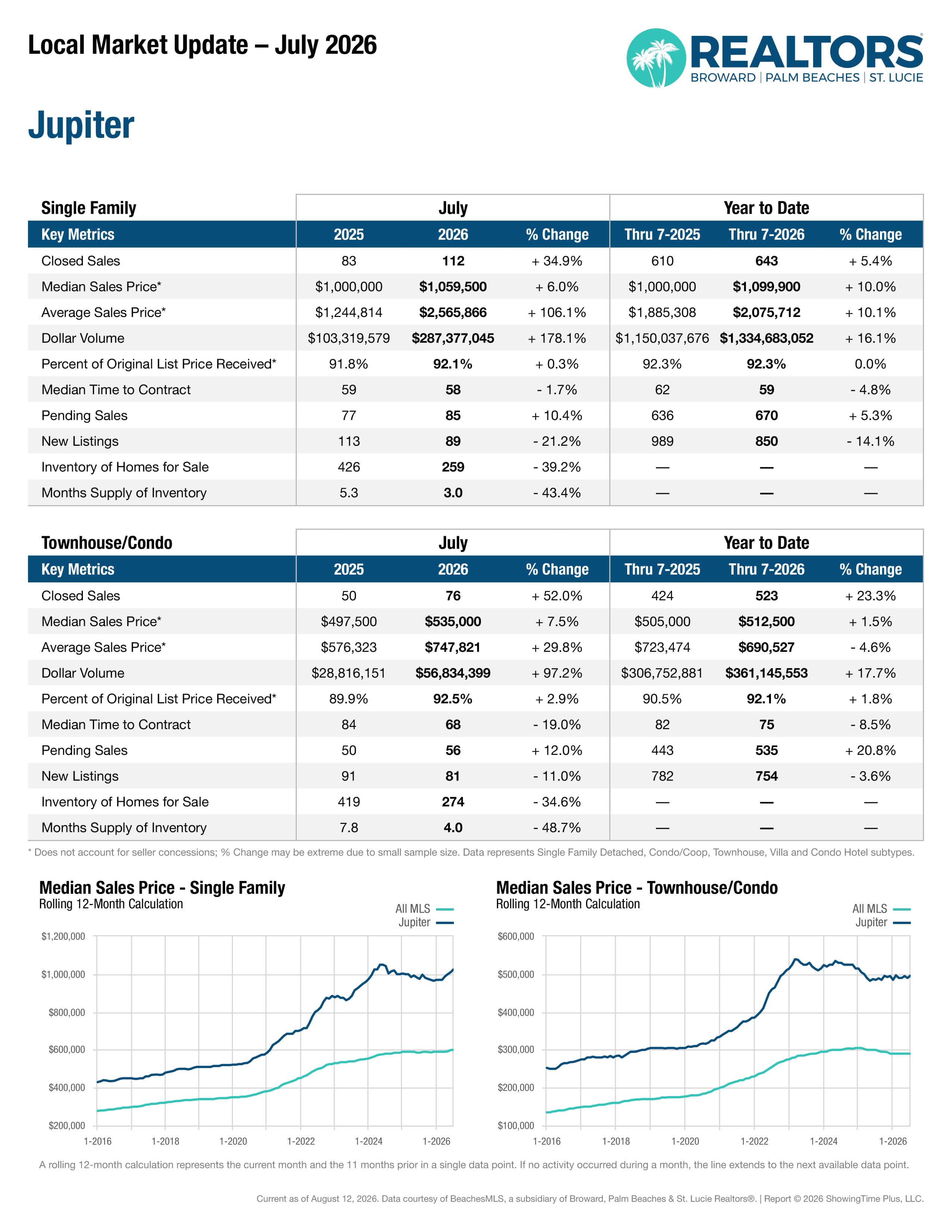
Jupiter had an especially strong month. Single family sales jumped 34.9%, while inventory fell 39.2%. The median sales price reached $1,059,500, a 6% increase from last July. Jupiter’s condo and townhouse market was busy too, with closed sales up 52% compared with last July.
Palm Beach Gardens tells a similar story. Single family sales were up 36.3% in July and are now up 27% for the year. Meanwhile, inventory fell 34.5%, and the median sales price reached $1.07 million. Year to date, the median is now just over $1.1 million.
If we look into the southern part of the county, Boca Raton single family inventory was down 39.3% from last July, and the supply of homes dropped from 5.5 months to just 3 months. Yet closed sales were up nearly 20%. The median sales price also climbed to $1.01 million, up 12.2% from a year ago.
Delray Beach is a little different. Single family sales were actually down 18.5% in July, but that hasn’t translated into falling prices. The median single family sales price rose 8.9% to $920,000, while available inventory fell more than 30%. Year to date, sales are also still ahead of 2025.
All of these stats underline exactly how the hyper-local markets here ebb and flow. There really isn’t one “Palm Beach County market.” What’s happening depends on where you are, what type of property you own or want to buy, and even your price range.
Still, when we zoom out, the broader trend is hard to miss. Across North Palm Beach County, July single family sales were up 22.1% compared with last year, and pending sales were up 17.2%. Condo and townhouse sales increased 21.2%, with pending sales up 7.9%. At the same time, the median sales price increased to $720,000 for single family homes and $348,500 for condos and townhouses.
So what does all of this actually mean? For sellers, the market is becoming more favorable, but pricing still matters. Less competition is good news, particularly when buyer activity remains healthy. But buyers have become accustomed to having negotiating room, and they’re still paying attention to value. A well priced, well presented home is in a very different position than one that comes to market expecting buyers to chase it at any price.
For buyers, there are still opportunities, but there simply aren’t as many homes to choose from as there were a year ago. If the right home comes along at the right price, the numbers suggest there may be more competition for it than buyers have gotten used to recently.
And that may be the most important takeaway from July. The market didn’t suddenly become frantic again. It quietly got tighter. Homes are selling. Prices are generally rising. Inventory is falling. And in some of our most sought after communities, that shift is happening pretty quickly.
As we head toward fall and eventually into South Florida’s seasonal market, inventory will be the number we're watching most closely. If more sellers come to market, buyers may regain some choices. If they don’t, and demand continues at its current pace, we could be looking at a considerably tighter market heading into our high season.

Connect